
Exploring the fascinating history of casinos through the ages
Ancient Beginnings of Gaming
The origins of gaming can be traced back to ancient civilizations where various forms of gambling were practiced. Archaeologists have discovered artifacts, such as dice dating back to around 3000 BC, in regions like Mesopotamia. These early games were not solely for entertainment; they also served as tools for divination and decision-making. The cultural importance of these early games laid the groundwork for what would eventually evolve into modern-day casinos, like www.smokace-casino.nz/.
In ancient Rome, betting on chariot races became a popular pastime among citizens. This form of gambling was often linked with social status and political influence. The Romans created rudimentary betting systems, which mirrored the organizational structure of contemporary casinos, showcasing how the urge to gamble has persisted across millennia. Such early practices highlight humanity’s intrinsic desire for risk and reward, a theme central to casino culture.
Similarly, ancient China also had its share of gambling traditions, with evidence suggesting that games involving chance were played as early as the Han Dynasty. The Chinese created cards and other gaming devices, showcasing their innovation in the realm of entertainment. This early form of casino-like activities illustrates how different cultures developed their unique gambling customs, ultimately contributing to the rich tapestry of gaming history.
Evolution Through the Middle Ages
The Middle Ages witnessed a significant transformation in the landscape of gambling, particularly in Europe. During this period, gambling was often associated with the aristocracy, who indulged in games like dice and card games in private settings. This exclusivity paved the way for gambling halls, which served as informal gathering spots for the elite. These early establishments laid the foundation for the formal casinos that would emerge in later centuries.
As trade routes expanded, so did the influence of gambling across various cultures. The introduction of playing cards to Europe from Asia in the 14th century marked a pivotal moment in gaming history. Card games became immensely popular, leading to the establishment of gaming houses in cities such as Venice. These venues were often lavishly decorated, serving as social hubs where people could gamble and socialize, thus embodying the essence of modern casino life.
However, the association of gambling with vice led to frequent crackdowns by authorities. Many governments attempted to ban gambling altogether, viewing it as a threat to societal morals. Despite these challenges, gambling persisted, adapting to legal restrictions, and continuing to evolve. The resilience of gaming during the Middle Ages set the stage for the eventual acceptance of casinos as legitimate establishments in the modern era.
The Birth of the Modern Casino
The 18th century marked a significant turning point in the history of casinos with the establishment of the first official casino in Venice, Italy, known as the Casino di Venezia. This venue set the standard for what a casino should be, featuring organized gaming, entertainment, and luxury. The concept quickly spread across Europe, with cities like Paris and Monte Carlo becoming synonymous with glamorous casinos that attracted high-stakes gamblers from around the globe.
In the 19th century, the introduction of roulette and other table games further popularized the casino experience. This era saw an increase in the number of casinos, particularly in France, where gaming laws became more favorable. The social aspect of gambling thrived, as casinos not only served as places to bet but also as venues for dining, dancing, and enjoying music, creating an all-encompassing entertainment experience.
The rise of the casino culture during this period also coincided with the advent of organized gambling regulations. Governments began to recognize the potential economic benefits of legal casinos, leading to a more structured approach to gambling. The balance between regulation and entertainment helped casinos flourish, transforming them into the iconic establishments we recognize today.
The Global Expansion of Casinos
The 20th century ushered in a new era of casino development, with the emergence of Las Vegas as the gambling capital of the world. The legalization of gambling in Nevada in 1931 paved the way for the construction of extravagant casinos, attracting millions of visitors. The city quickly became synonymous with luxury and excess, setting a benchmark for casino design, entertainment, and hospitality.
Internationally, casinos continued to proliferate, with places like Macau and Atlantic City emerging as key players in the global gaming market. Macau, in particular, experienced explosive growth, becoming a hub for high-stakes gambling, often outpacing Las Vegas in revenue. The blend of Asian culture with Western gaming practices created a unique environment that appealed to a diverse clientele.
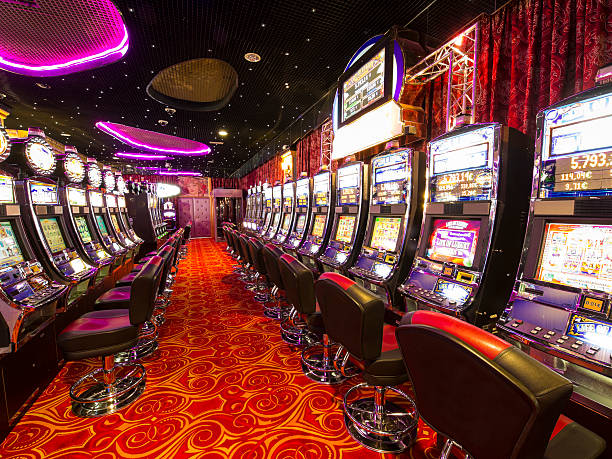
The globalization of casinos also brought about technological advancements, such as the introduction of slot machines and online gaming platforms. These innovations made gambling more accessible, leading to a new wave of players who could engage in gaming from the comfort of their homes. As a result, the casino industry became a multi-billion-dollar enterprise, impacting economies worldwide.
Modern Casinos and Their Future
Today’s casinos have evolved to include various forms of entertainment beyond traditional gaming, featuring luxurious hotels, top-tier restaurants, and live performances. The integration of technology has transformed the gaming experience, with virtual reality and mobile gaming gaining traction. Online casinos have made it easier for individuals to access their favorite games anytime, anywhere, creating a new frontier in the gaming industry.
Responsible gambling has also become a central focus, with many casinos implementing measures to promote safe gaming practices. Online platforms often provide resources for players, including self-exclusion options and support for gambling addiction. This shift towards a more responsible approach highlights the industry’s recognition of its societal impact.
Looking ahead, the future of casinos appears bright, with continuous innovations on the horizon. The growing popularity of cryptocurrencies and blockchain technology may further revolutionize how transactions are handled, enhancing security and transparency. As casinos adapt to changing societal norms and technological advancements, they will likely continue to thrive as multifaceted entertainment destinations.

SmokAce Casino: A Modern Gaming Experience
As a premier online gaming platform, SmokAce Casino caters to players seeking a diverse array of games, including video pokies and live casino options. Designed with the modern player in mind, SmokAce ensures a secure gaming environment backed by a Curaçao eGaming license. This level of certification not only guarantees fairness but also enhances player confidence in the platform.
SmokAce offers attractive bonuses and quick cryptocurrency payouts, appealing to a tech-savvy audience. The responsive mobile interface allows players to enjoy their favorite games on-the-go, showcasing the casino’s commitment to accessibility and convenience. Whether you’re a seasoned gambler or a newcomer, SmokAce provides an engaging and enjoyable experience.
In addition to its extensive gaming offerings, SmokAce Casino promotes responsible gambling through various tools and support resources. This focus on safe gaming practices reflects the casino’s understanding of the importance of player well-being, making SmokAce a standout option for anyone looking to explore the thrilling world of online gaming.
Recent Comments