
Understanding the psychology behind gambling behavior
The Allure of Gambling
Gambling captivates millions globally, and understanding its psychology reveals why it holds such an allure. At the heart of this fascination is the thrill of risk and reward. Players often feel an adrenaline rush as they place their bets, fueled by the hope of winning big. This sensation can create a powerful psychological draw that keeps individuals coming back for more, even in the face of potential losses. As you explore the excitement, consider checking out new casinos 2026 for innovative gaming options.
Additionally, the concept of “near misses” plays a crucial role in gambling behavior. When players experience outcomes that are close to a win, it can trigger feelings of excitement and motivation to continue playing. This phenomenon often leads to an increase in gambling frequency, as players believe they are just one bet away from a significant win.
The Role of Cognitive Biases
Cognitive biases significantly influence how gamblers perceive their experiences. One of the most prevalent biases is the illusion of control, where individuals believe they can influence the outcome of games based on their skills or strategies, even in games of chance. This false sense of control can lead to repeated gambling, as players become convinced their next move will yield success.
Confirmation bias is another critical factor; gamblers often remember their wins more vividly than their losses. This selective memory reinforces the belief that winning is more common than it is, leading to persistent gambling behavior. Consequently, these cognitive distortions can trap individuals in a cycle of gambling, where they continuously seek validation of their beliefs.
Emotional Factors in Gambling
Emotions play a pivotal role in gambling behavior, often driving individuals to make irrational decisions. Many gamblers seek to escape negative feelings such as stress, anxiety, or depression by immersing themselves in the thrill of betting. This escapism can provide temporary relief but often leads to further emotional turmoil, especially when losses occur.
Moreover, the social aspect of gambling cannot be overlooked. Many individuals gamble in group settings, where the shared excitement can amplify the emotional stakes. This social interaction can create a sense of community but can also contribute to riskier behavior, as individuals may feel pressure to conform to group dynamics and continue betting, despite their better judgment.
The Impact of Environment and Marketing
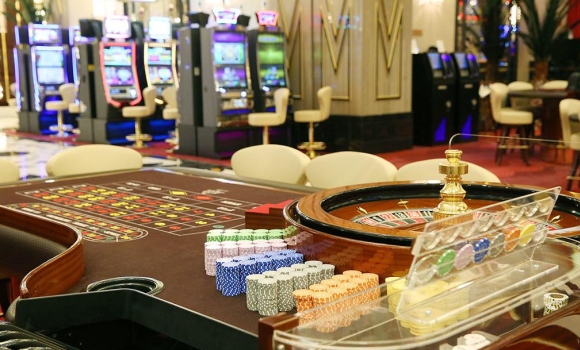
The environment in which gambling takes place significantly influences behavior. Casinos and online platforms are designed to maximize engagement through bright lights, enticing sounds, and a sense of luxury. These elements are strategically employed to create an atmosphere that stimulates excitement and encourages players to gamble more.
Additionally, marketing tactics aimed at potential gamblers often emphasize the thrill of winning and the lifestyle associated with high-stakes gambling. Promotions and bonuses can create an illusion of increased value, enticing players to take risks they might otherwise avoid. This marketing strategy can significantly impact the decisions made by both new and seasoned gamblers alike.
Resources for Understanding Gambling Behavior
To navigate the complex world of gambling, it’s essential to have access to reliable resources. Websites dedicated to analyzing gambling behaviors provide valuable insights into the psychological factors at play. They often offer expert advice on responsible gambling practices and ways to identify problematic behaviors.
Furthermore, understanding the latest trends in online gambling can empower players to make informed choices. By staying updated with expert analysis and information, individuals can better comprehend the forces that drive gambling behavior and seek help when necessary, ensuring a safer and more enjoyable gaming experience.
Recent Comments