
The psychology behind high-stakes gambling Understanding player behavior and choices
The Allure of High-Stakes Gambling
High-stakes gambling captivates individuals for various reasons, often rooted in psychological allure. The adrenaline rush experienced during significant wagers can be intoxicating, leading players to chase the thrill associated with potential large payouts. This emotional high can create a compelling experience, resulting in a cycle where players become addicted to the excitement and uncertainty of high-stakes environments. Furthermore, exploring top football betting sites can enhance your betting journey by providing valuable insights on different platforms.
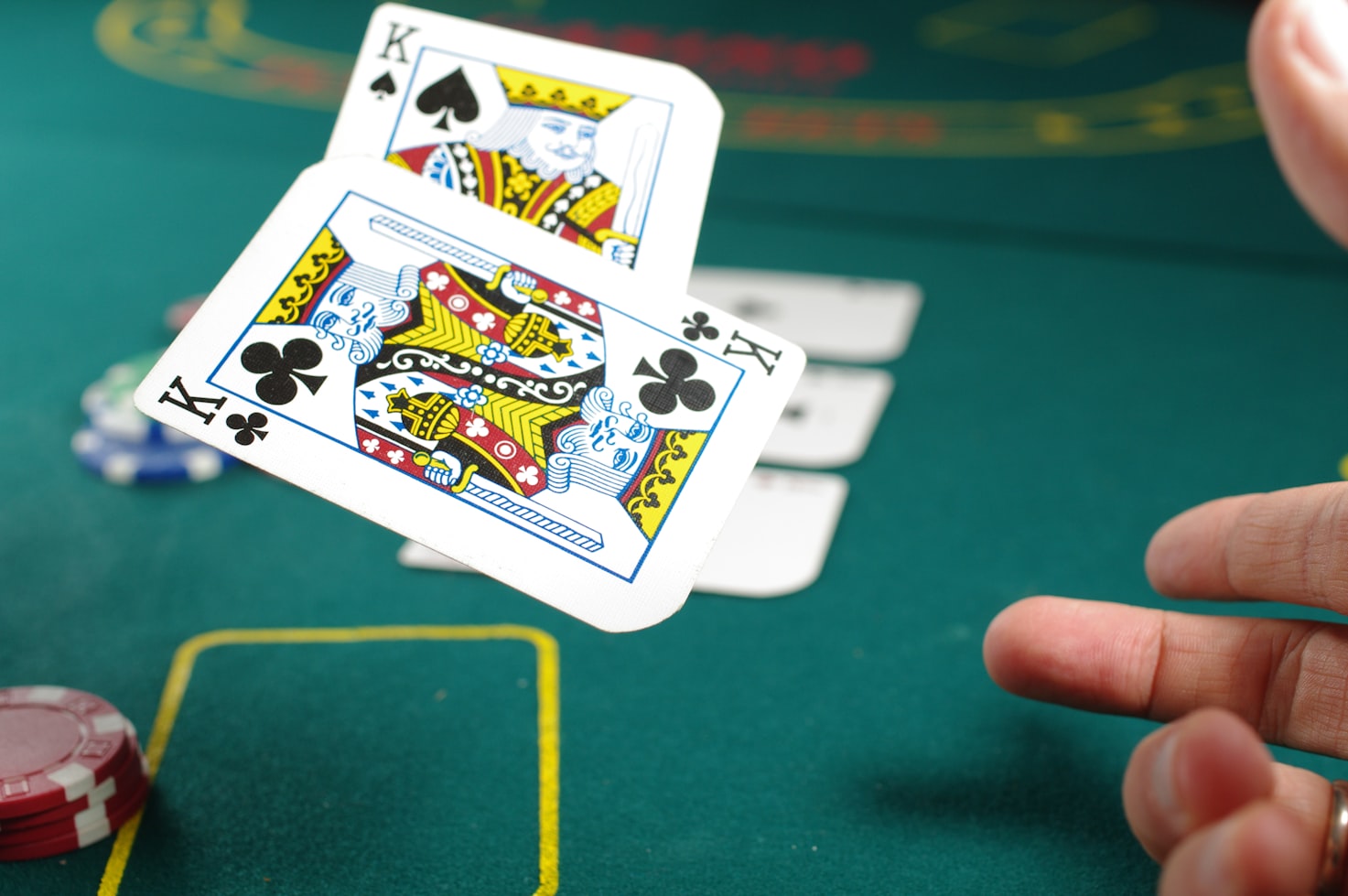
Moreover, high-stakes gambling often symbolizes status and success. For many, participating in high-stakes games provides an opportunity to showcase financial prowess and personal achievement. The environment of luxurious casinos amplifies this perception, where the glitz and glamour become an integral part of the gambling experience, enticing individuals to engage further.
Additionally, social dynamics play a crucial role in high-stakes gambling. Players often seek camaraderie with others who share similar interests, enhancing their experience through shared triumphs and defeats. This social aspect of high-stakes gambling can foster a sense of belonging, creating a community where players feel understood and valued, making them more likely to continue participating.
The Psychology of Risk-Taking
Understanding player behavior in high-stakes gambling requires a closer look at the psychology of risk-taking. Cognitive biases, such as the illusion of control, lead players to believe they can influence outcomes in games of chance. This misguided belief can result in increased betting, as players feel empowered and underestimate the inherent risks involved. The casino atmosphere often amplifies these tendencies, driving bettors into a cycle of risky decisions.
Moreover, the concept of loss aversion plays a critical role in high-stakes gambling decisions. Players often prefer to avoid losses rather than acquire equivalent gains, which can lead to chasing losses—a phenomenon where individuals continue to gamble in an attempt to recover previous losses. This mindset can create a dangerous spiral, pushing individuals deeper into the gambling environment, as they convince themselves that a big win is just around the corner.
Another psychological factor is the role of reward systems in the brain. High-stakes gambling triggers the release of dopamine, a neurotransmitter associated with pleasure and reward. This chemical response reinforces the behavior, making players crave the exhilarating experience of gambling even more. The combination of cognitive biases, loss aversion, and neurological responses creates a potent mix that drives individuals to engage in high-stakes gambling continuously.
The environment surrounding high-stakes gambling is meticulously designed to enhance player engagement. Casinos often employ bright lights, enticing sounds, and visually stimulating décor to create an immersive experience. Such environments can manipulate a player’s senses, making it easier to lose track of time and money, further fueling the desire to gamble.
Social influence also significantly impacts gambling behaviors. Players often find themselves in competitive scenarios where the presence of peers can amplify their excitement and willingness to wager larger sums. Observing others winning can trigger a desire to participate at higher stakes, as players feel the pressure to keep up or prove their worth in the social hierarchy.
Moreover, the influence of high-profile figures in gambling—such as professional players and celebrities—can have a profound effect on behavior. When individuals see someone they admire taking risks in high-stakes settings, it can create a perception that such behavior is desirable or rewarding. This desire to emulate successful figures can lead inexperienced players to engage in high-stakes gambling without fully understanding the risks involved.
The Role of Cognitive Dissonance
Cognitive dissonance plays a significant role in how players justify their choices in high-stakes gambling. When individuals make decisions that contradict their beliefs or values, they experience discomfort, prompting them to rationalize their behavior. For example, a player who loses a significant amount may convince themselves that the next bet will lead to a win, alleviating feelings of regret and guilt.
This rationalization process can lead to a dangerous mindset, where players ignore the reality of their losses and focus solely on potential gains. By distancing themselves from the consequences of their actions, individuals can engage in high-stakes gambling with a false sense of security, which perpetuates the cycle of risky behavior.
Moreover, cognitive dissonance can result in a shift in personal beliefs about gambling. Players may begin to view themselves as “strategic thinkers” rather than gamblers, reinforcing the illusion that they have control over unpredictable outcomes. This perception not only enables continued participation in high-stakes games but can also cloud their judgment, leading to further financial and emotional consequences.
Exploring Responsible Gambling Practices
Understanding the psychology behind high-stakes gambling underscores the importance of responsible gambling practices. Recognizing the factors that drive player behavior can aid in developing strategies to minimize risks associated with gambling addiction. Educating players about cognitive biases, loss aversion, and emotional triggers can empower them to make informed choices while gambling.
Furthermore, promoting awareness around the signs of problem gambling is crucial. By highlighting the psychological aspects of high-stakes gambling, individuals can learn to identify when their behavior may be crossing into unhealthy territory. Encouraging self-reflection and mindfulness can serve as preventive measures against compulsive gambling behaviors.
Lastly, the implementation of support systems, such as helplines and counseling services, can significantly impact the lives of those affected by gambling addiction. Creating an environment that fosters open dialogue about gambling-related issues can help individuals feel less isolated and more inclined to seek help. Ultimately, addressing the psychological factors influencing high-stakes gambling can promote a healthier relationship with gambling overall.

About Our Website
Our website aims to provide valuable insights into the world of gambling, focusing on player behavior and the underlying psychological factors at play. We strive to educate readers about responsible gambling practices while offering in-depth analyses of high-stakes environments. By understanding the psychology behind gambling, we hope to empower players to make informed and conscious choices.
Through expert articles, resources, and community engagement, we create a space for individuals to learn and discuss the intricacies of gambling. Whether you’re a seasoned gambler or a curious newcomer, our content is tailored to enhance your understanding and enjoyment of the gambling experience while prioritizing safety and responsibility.
Recent Comments